
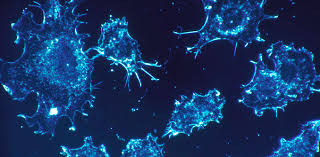
A specifying particular How cancer cells can become immortal of cancer cells tissues is actually their immortality.
Typically, typical tissues are actually restricted in the variety of opportunities they can easily split prior to they quit expanding. king88bet alternatif
Cancer cells tissues, nevertheless, can easily conquer this restriction towards type growths as well as bypass “death” through proceeding towards duplicate. situs slot terbaik
Telomeres participate in an important function in identifying the number of opportunities a tissue can easily split.
These repeated sequences of DNA lie at completions of chromosomes, frameworks which contain hereditary info.
In typical tissues, proceeded rounds of replication reduce telomeres up till they end up being therefore brief that they ultimately set off the tissue towards quit replicating.
On the other hand, tumor tissues can easily preserve the sizes of their telomeres through triggering an enzyme referred to as telomerase that rebuilds telomeres throughout each replication.
Melanoma, a hostile type of skin layer cancer cells, is actually extremely based on telomerase towards expand, as well as three-quarters of all of melanomas obtain mutations in telomerase. These exact very same TERT mutations likewise happen throughout various other cancer cells kinds.
Suddenly, scientists discovered that TERT mutations might just partly discuss the durability of telomeres in melanoma.
While TERT mutations performed certainly prolong the life expectancy of tissues, they didn’t create all of them immortal.
That implied certainly there certainly should be actually another thing that assists telomerase enable tissues towards expand uncontrollably.
However exactly just what that “2nd struck” may be has actually been actually uncertain.
Our team are actually scientists that examine the function telomeres participate in in individual health and wellness as well as illness such as cancer cells in the Alder Laboratory at the College of Pittsburgh.
While examining the manner ins which growths preserve their telomeres, our team as well as our associates discovered one more item towards the challenge: one more telomere-associated gene in melanoma.